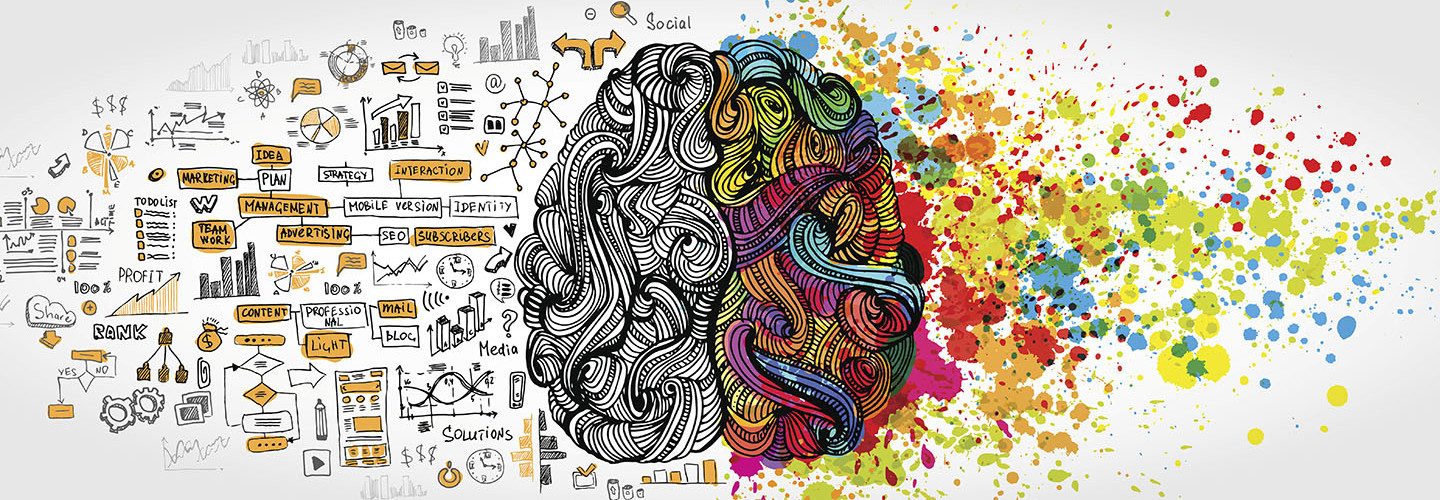
The Rise of AI: How Quirky Innovations Are Shaping Our Future
The rise of AI is transforming various industries, as quirky innovations emerge to redefine how we interact with technology. From chatbots that provide quirky customer service experiences to AI-generated art that challenges our perceptions of creativity, these advancements are paving the way for smarter, more intuitive systems. For instance, AI algorithms can now analyze vast amounts of data to generate unique content or even music, showcasing the potential for creativity that blurs the line between human and machine.
Moreover, the integration of AI into everyday life is becoming increasingly seamless. Smart home devices equipped with AI capabilities can learn our preferences and adapt to our routines, providing convenience and efficiency. The development of quirky applications, such as virtual assistants that can tell jokes or suggest unusual recipes, highlights how AI is not just about functionality, but also about enhancing our experiences. As we embrace these whimsical approaches, the future of AI looks promising, indicating that innovation continues to take on unexpected shapes and forms.
Counter-Strike is a popular multiplayer first-person shooter that has captivated gamers since its initial release in 1999. Players join either the terrorist or counter-terrorist teams to compete in various objective-based scenarios. Along with its strategic gameplay and team dynamics, it has fostered a vibrant esports scene.
For those interested in tech, you might want to check out the Top 10 Tech Gifts Under 100 which could enhance your gaming experience.
From Chatbots to Art Generators: Exploring the Funniest Uses of AI
Artificial Intelligence (AI) has come a long way since its inception, leading to some of the most entertaining and innovative applications we see today. One of the funniest uses of AI is found in chatbots. These virtual conversationalists have been designed to mimic human interactions, and their often unexpected and humorous responses can lead to comedic exchanges. From wildly incorrect answers to intentionally silly jokes, chatbots challenge our perceptions of AI capabilities while providing endless amusement during mundane tasks. Imagine chatting with a bot that gives you life advice but ends up recommending you binge-watch cat videos instead!
Moreover, AI has also pounced into the world of creativity with art generators. These tools can create a wide array of visual art based on simple prompts from users, often resulting in hilariously bizarre and unexpected artwork. For instance, what would a portrait of a cat in a suit riding a skateboard look like? With AI art generators, a user simply types this prompt, and within seconds, a unique piece of art materializes. As more people experiment with these generators, we see a surge of absurd creations that combine humor and artistry, sparking conversations about the boundaries of creative expression in the age of technology.
Can AI Really Be Creative? Debunking Myths About Intelligent Machines
The question of whether AI can truly be creative has sparked heated debates among scientists, artists, and tech enthusiasts alike. While some argue that machines lack the emotional depth and experiential knowledge to produce genuinely creative work, others highlight the remarkable outputs generated by algorithms. For instance, systems like OpenAI's GPT-3 have demonstrated an ability to compose music, write poetry, and even create visual art. However, it is crucial to distinguish between creativity as a human trait and the computational processes that AI employs to mimic creative behavior.
One prevalent myth is that AI can experience inspiration in the same way humans do. In reality, AI operates under predefined parameters and learns from vast datasets, lacking personal experiences or emotional triggers that fuel human creativity. Furthermore, while AI can assist in artistic endeavors by providing new ideas or optimizing existing ones, it is ultimately a tool for creators rather than a replacement. As we venture further into an era dominated by intelligent machines, the true potential of AI lies not in its ability to create independently but in how it can augment human creativity and innovation.