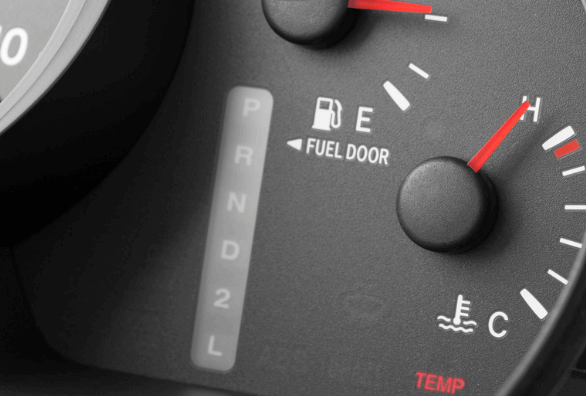
Understanding the Science Behind Overheating: How Stress Affects Performance
Understanding the science behind overheating is essential, especially when exploring how stress affects performance in various activities. The human body operates optimally within a specific temperature range, and when external or internal stressors raise body temperature beyond this threshold, it can lead to overheating. This phenomenon not only impacts physical performance but also cognitive functions. For instance, when the body overheats, it can cause the heart to work harder, leading to fatigue and reduced endurance. Additionally, overheating can impair decision-making abilities, which is crucial in both athletic and workplace environments.
Stress, whether it be from environmental factors or high-pressure situations, can significantly exacerbate the risk of overheating. Stress triggers a hormonal response that raises heart rate and generates more body heat. According to research, individuals under high stress may experience a dip in performance due to this physiological response. It is important to implement effective stress management techniques to maintain optimal body temperature and cognitive function. This might include practices such as mindfulness meditation, regular hydration, and strategic breaks during intense activities, all of which can mitigate the adverse effects of overheating.
Counter-Strike is a popular multiplayer first-person shooter game that has been a cornerstone in the esports community. Players join either the terrorist or counter-terrorist teams and compete in various objective-based game modes. To enhance gameplay performance, you might want to check out the Top 10 Laptop Accessories to Prevent Overheating, which can help ensure your gaming laptop runs smoothly during intense matches.
5 Effective Strategies to Stay Cool and Boost Your Productivity
Staying cool in a busy work environment is essential for maintaining focus and enhancing productivity. One effective strategy is to optimize your workspace. This can be achieved by rearranging your desk to ensure proper air circulation, using fans or air conditioning, and utilizing light-colored curtains to block out the heat. Additionally, consider keeping plenty of water at your desk to stay hydrated. Staying cool physically helps reduce fatigue and helps keep your mind sharp.
Another practical approach is to implement scheduled breaks throughout your day. Incorporating short breaks can significantly boost your productivity. Set a timer for 25 minutes of focused work followed by a 5-minute break. During these breaks, step outside for some fresh air or do a quick stretch to revitalize your body. Not only does this technique enhance your overall efficiency, but it also helps maintain a cool head in a warm environment.
Is Overachievement Harming Your Health? Signs You Shouldn't Ignore
In today's fast-paced world, the pressure to excel can lead many individuals to the dangerous path of overachievement. While striving for success can be motivating, overachievement often comes at a steep cost to one's health. Chronic stress, anxiety, and burnout are just a few of the symptoms that may arise from constantly pushing oneself beyond limits. Recognizing the signs of overachievement is crucial for maintaining both mental and physical well-being. Some common indicators include:
- Incessant feelings of stress or anxiety
- Chronic fatigue that doesn’t seem to improve with rest
- Neglecting personal relationships in favor of work
Ignoring the negative effects of overachievement can lead to serious consequences. Many high achievers may dismiss their health concerns, believing that they can simply 'push through' anything for the sake of success. However, the long-term impact of this mindset can be detrimental. If you find yourself experiencing consistent physical ailments, changes in appetite, or increased irritability, it may be time to reevaluate your approach to achievement. Embracing a more balanced lifestyle can promote not only better health but also a more sustainable path to success.