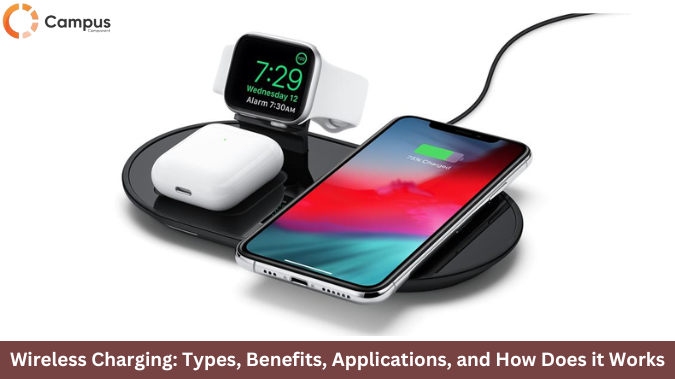
The Science Behind Wireless Charging: How It Works
The science behind wireless charging is rooted in the principles of electromagnetic induction. This process involves two coils: a transmitter coil located in the charging pad and a receiver coil embedded in the device. When electric current flows through the transmitter coil, it creates a magnetic field. This magnetic field induces an electric current in the receiver coil, allowing energy to transfer wirelessly. There are several types of wireless charging technologies, but the most common is Qi, which operates within the short-distance range—typically just a few centimeters.
To further understand how wireless charging works, it’s essential to explore its efficiency and benefits. Wireless charging systems can vary in efficiency, with some platforms achieving upwards of 80-90% of power transfer. This means that while convenience is a significant advantage, it is also important to consider the energy loss during the transfer. On the consumer side, the ease of simply placing a device on a charging pad rather than fumbling with cables has made wireless charging increasingly popular.
Counter-Strike is a popular first-person shooter franchise that pits teams of terrorists against counter-terrorists in a battle for objectives and survival. Players can engage in various game modes, and the competitive scene has cultivated a vibrant esports community. Alongside gaming equipment, gamers often seek accessories for their devices; for example, you can check out Top 10 iphone slim cases that provide style and protection.
Top 5 Benefits of Switching to Wireless Charging
Switching to wireless charging offers a multitude of benefits that enhance both convenience and efficiency in our daily lives. Firstly, it eliminates the hassle of tangled cords and connectors. No more fumbling around for the right cable or dealing with wear and tear on charging ports. Simply place your device on a compatible charging pad, and you're good to go. This simple action not only saves time but also allows for a more organized and uncluttered space.
Secondly, wireless charging can prolong the lifespan of your device. Because it uses electromagnetic fields to transfer energy, it minimizes the wear that often comes with plugging and unplugging cables repeatedly. Moreover, many wireless charging pads come equipped with features like overheating protection and automatic stop settings, ensuring safety during the charging process. In conclusion, adopting wireless charging technology can enhance your device's longevity while providing unparalleled convenience.
Is Wireless Charging Safe? Debunking Common Myths
The question of wireless charging safety has become a hot topic as more devices adopt this convenient technology. Many people worry that wireless charging might overheat their devices or cause battery damage. However, research shows that when used with compatible devices and certified chargers, wireless charging is as safe as traditional wired charging. In fact, advanced safety features, such as temperature control and foreign object detection, help mitigate risks, ensuring that your device charges safely and efficiently.
Despite the misconceptions, one common myth is that wireless charging emits harmful radiation. In reality, wireless chargers use electromagnetic fields to transfer energy, which falls well within the safety limits established by regulatory authorities. To put it into perspective, the amount of radiation you’re exposed to while wirelessly charging your phone is minimal, especially when compared to daily activities such as using a microwave or standing near a Wi-Fi router.