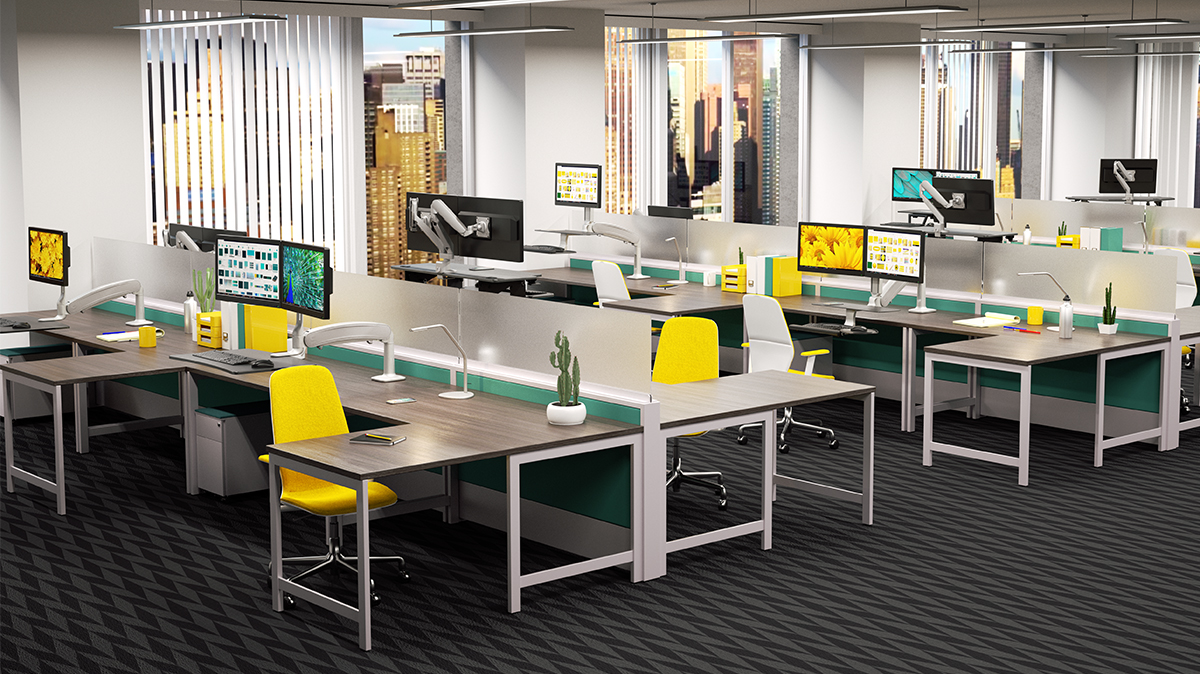
Exploring the Elements of Innovative Workspace Design
In today's fast-paced world, the importance of innovative workspace design cannot be overstated. A well-designed workspace not only boosts productivity but also fosters creativity and collaboration among employees. Some key elements to consider when designing an innovative workspace include:
- Flexibility: Spaces should be adaptable to various tasks and team sizes, promoting collaboration and individual work.
- Technology Integration: Incorporating the latest technology, such as smart boards and video conferencing tools, can enhance communication and streamline processes.
- Eco-Friendly Practices: Sustainable designs that utilize natural light, energy-efficient materials, and greenery can improve employee well-being and reduce environmental impact.
Another critical aspect of innovative workspace design is the emphasis on employee well-being. Natural light, ergonomic furniture, and dedicated break areas contribute to a healthier work environment. Research shows that well-designed spaces lead to increased job satisfaction and retention rates. Additionally, incorporating elements like quiet zones and collaborative spaces can cater to the diverse needs of the workforce, allowing everyone to thrive. Ultimately, a holistic approach to workspace design that prioritizes both productivity and well-being is essential for modern organizations looking to stay competitive in an ever-evolving landscape.
Counter-Strike is a popular first-person shooter game that has captured the hearts of gamers worldwide. It emphasizes teamwork, strategy, and precise shooting skills. Players can choose to take on the roles of either terrorists or counter-terrorists, completing various objectives to secure victory. For those looking to enhance their gaming setup, be sure to check out the Top 10 MacBook Accessories for Office to maximize your experience.
How Biophilic Design Enhances Creativity in Modern Offices
Biophilic design has emerged as a revolutionary approach to modern office environments, significantly enhancing creativity among employees. By integrating natural elements such as greenery, natural light, and organic materials into the workspace, companies can foster a more stimulating atmosphere. Research indicates that employees who work in biophilic settings report higher levels of happiness and productivity, which translates directly into more innovative thinking. Incorporating features like living walls or large windows that invite the outside in can create a more vibrant and inspiring workplace.
Furthermore, biophilic design not only boosts creativity but also improves overall well-being and reduces stress levels. When employees are surrounded by nature-inspired elements, they experience increased focus and motivation, leading to a stronger collaboration among teams. Studies have shown that workplaces designed with biophilic principles can lead to meaningful improvements in cognitive function and problem-solving skills. In today's competitive landscape, embracing this design philosophy is not just an aesthetic choice; it’s a strategic investment in your workforce's creative potential.
What Does the Workspace of the Future Look Like?
The workspace of the future is rapidly evolving, influenced by technological advancements and changing workforce needs. In this new environment, flexibility is key. Employees are no longer confined to traditional office settings; instead, they can choose between home offices, co-working spaces, or on-the-go work. With the integration of tools like video conferencing, cloud storage, and collaborative software, teams can communicate seamlessly, regardless of their location. This shift towards remote work not only enhances productivity but also supports a healthier work-life balance.
Moreover, the design of future workspaces is increasingly centered around employee well-being and sustainability. Features such as biophilic design, which incorporates natural elements into the workspace, are becoming more popular. According to studies, spaces enriched with natural light and greenery can boost creativity and reduce stress levels. Additionally, companies are prioritizing eco-friendly materials and energy-efficient technologies, aligning their values with the growing demand for sustainability. Ultimately, the workspace of the future aims to cultivate a more inclusive, innovative, and environmentally conscious atmosphere.