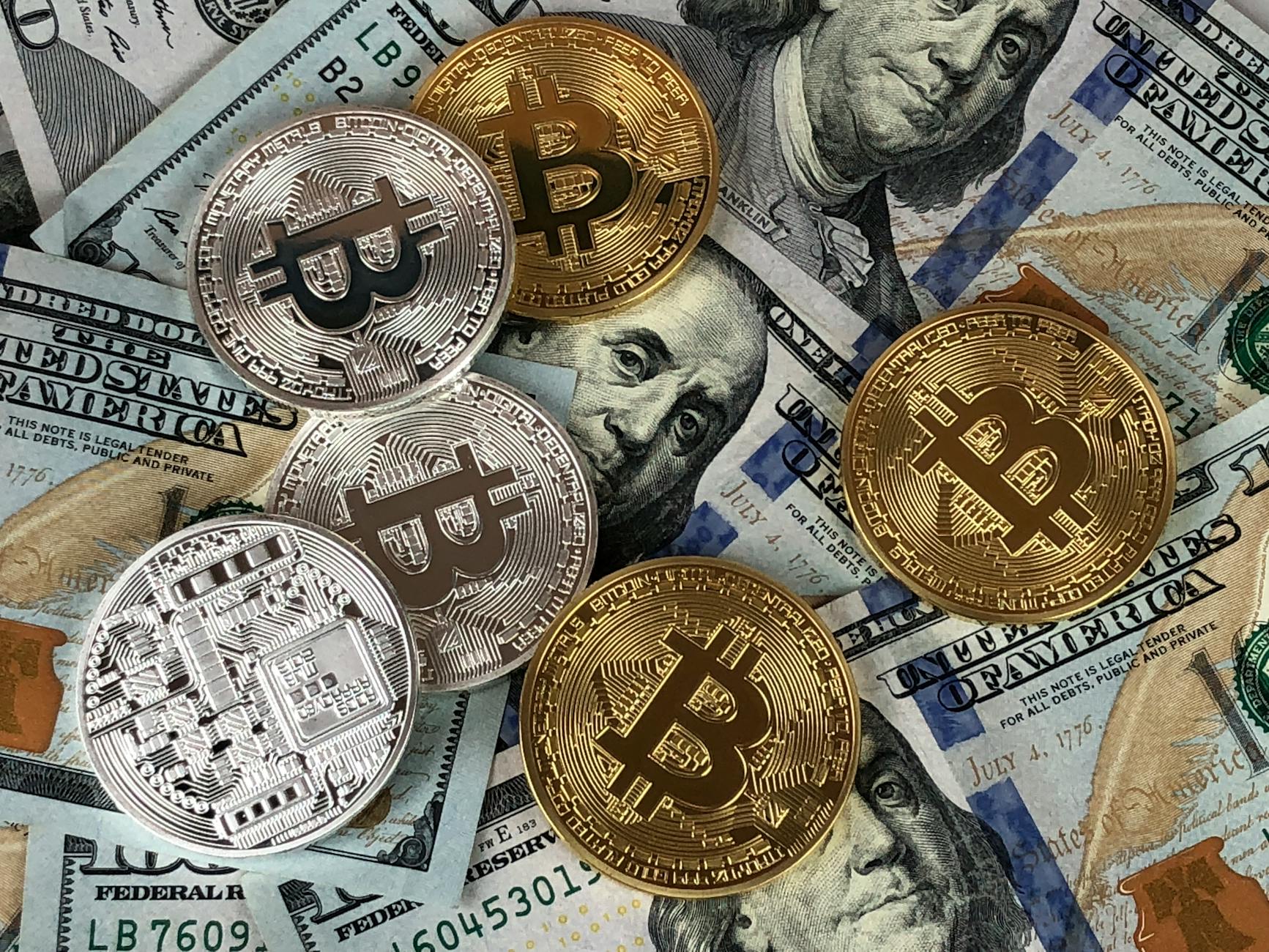
Beyond Bitcoin: Navigating the Diverse World of Crypto Casino Payment Options (Explainer & FAQs)
While Bitcoin (BTC) remains the undisputed king of cryptocurrency casino payments, its dominance shouldn't overshadow the burgeoning ecosystem of alternative digital assets now accepted by leading platforms. Beyond BTC, players are increasingly finding a diverse array of options, each with its own advantages and considerations. Understanding these alternatives is crucial for optimizing your gaming experience, whether you're seeking faster transaction speeds, lower fees, or enhanced privacy. This section will delve into the most popular alternatives, from established altcoins to emerging privacy coins, helping you navigate the complexities and make informed choices for your crypto casino deposits and withdrawals. We'll explore the 'why' behind using these options and how they stack up against Bitcoin.
Exploring beyond Bitcoin opens up a world of possibilities for crypto casino enthusiasts. For instance,
- Ethereum (ETH) offers smart contract capabilities and a vast decentralized finance (DeFi) ecosystem, making it a versatile choice.
- Litecoin (LTC) provides significantly faster transaction confirmations than Bitcoin, ideal for players who prioritize speed.
- Privacy-focused coins like Monero (XMR) offer enhanced anonymity, appealing to those who value their financial privacy above all else.
A cryptocurrency casino offers a modern and often anonymous way to gamble online, utilizing various digital currencies like Bitcoin and Ethereum for deposits, withdrawals, and gameplay. These platforms are gaining popularity due to their enhanced security features, faster transactions, and the potential for provably fair gaming, allowing players to verify the fairness of each game outcome.
Choosing Your Crypto Casino Payment Path: Practical Tips for Security, Speed, and Cost-Effectiveness
Navigating the diverse landscape of crypto casino payment options requires a strategic approach, prioritizing security, speed, and cost-effectiveness. Before committing to a particular cryptocurrency, delve into its underlying technology and the reputation of the blockchain network. Consider factors like transaction finality – how quickly a transaction is irreversibly confirmed – and network congestion, which can significantly impact processing times and fees. For instance, while Bitcoin offers unparalleled decentralization, its transaction fees can fluctuate wildly during peak periods. Conversely, newer blockchains like Solana or Avalanche boast significantly faster transaction speeds and lower costs, but might have a smaller user base or less established security track record. Always verify the casino's accepted cryptocurrencies and their specific withdrawal limits and processing times, as these can vary considerably and impact your overall gaming experience.
Beyond the choice of cryptocurrency, scrutinize the specific payment methods offered by the casino. Some platforms integrate directly with crypto wallets, offering seamless transactions, while others might rely on third-party payment processors. While third-party services can add an extra layer of security and convenience, they may also introduce additional fees or KYC (Know Your Customer) requirements. Always prioritize casinos that offer two-factor authentication (2FA) for both your account and any linked payment methods, significantly bolstering your security against unauthorized access. Furthermore, be mindful of any hidden fees associated with deposits or withdrawals, including network fees, conversion fees, or casino-specific charges. A transparent fee structure is a strong indicator of a trustworthy platform, allowing you to accurately budget and maximize your winnings.